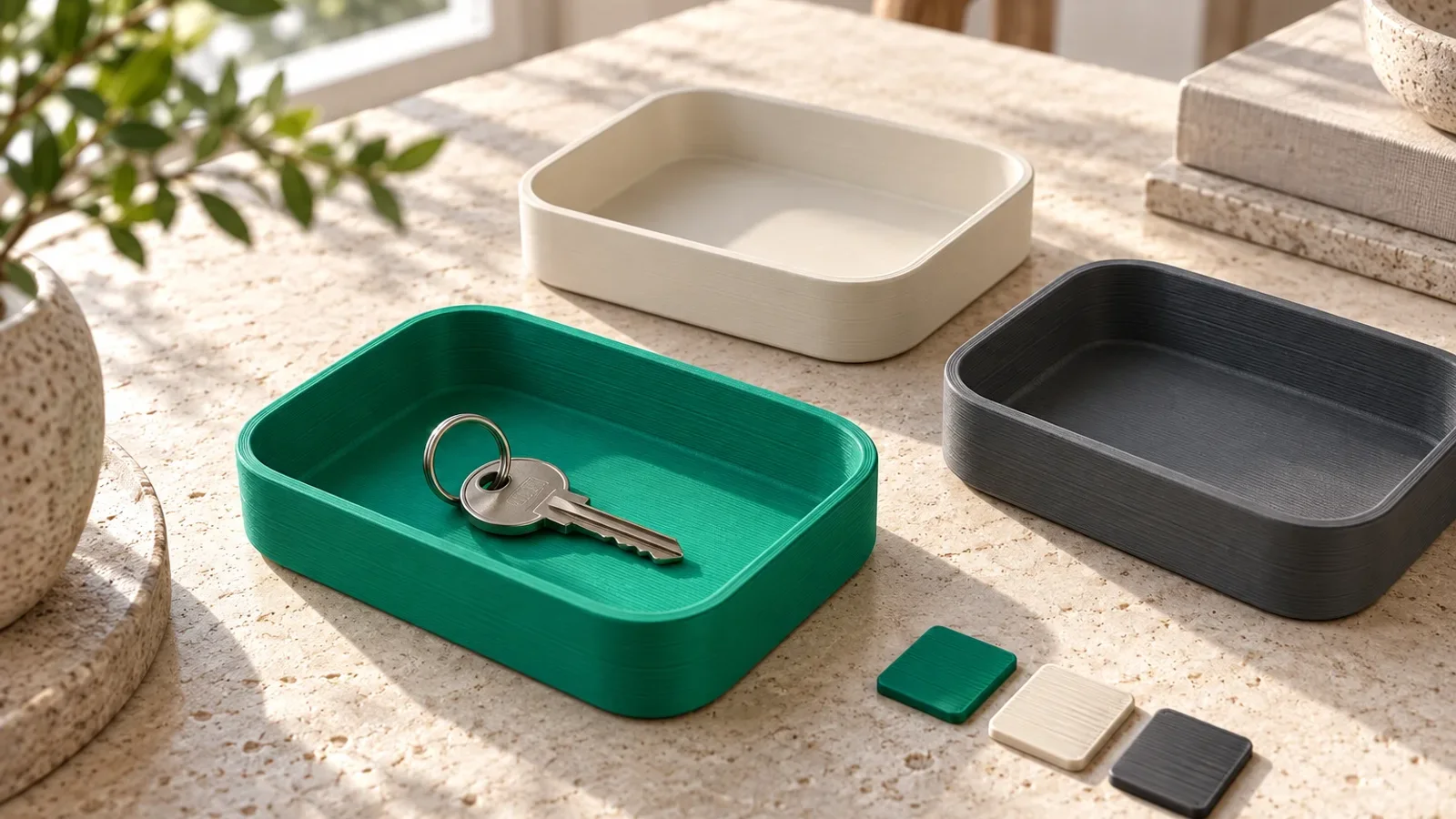
3D-printing materials: read technical data usefully
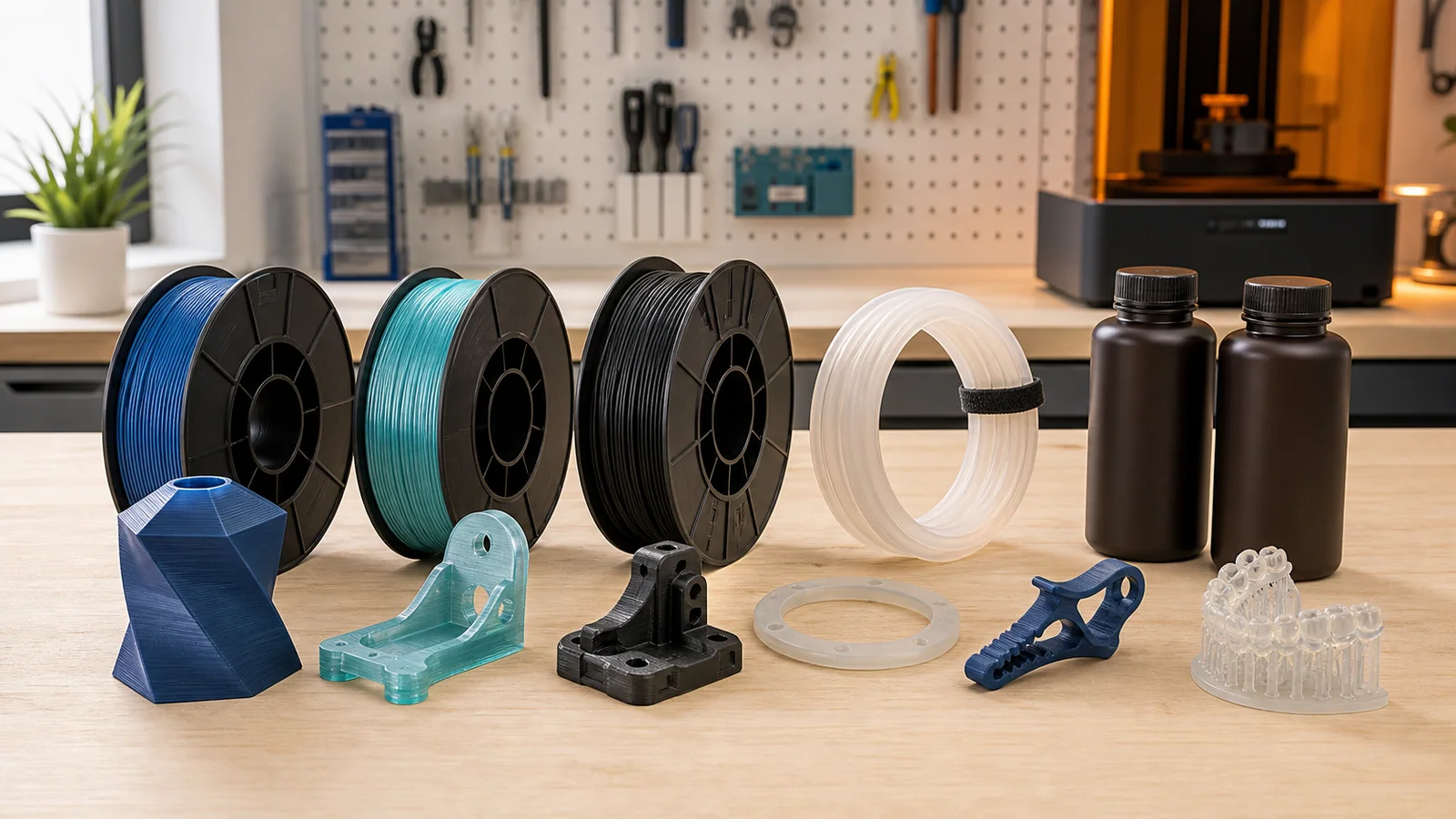
Technical data helps compare materials when you understand what it describes. Results obtained under specific test conditions do not automatically become the properties of your printed object.
Identify the exact grade
Keep the manufacturer, product range and processing guidance. Two filaments in the same family may use different formulations. A commercial name or colour does not provide all necessary information.
Relate data to your use
Start with conditions relevant to the object: temperature, moisture, exposure or contact with other substances. Check test conditions, units and stated limitations. The Prusa material comparison provides an entry point to these characteristics.
Specify what the quote confirms
Identify the selected material and verifiable object criteria: functional dimensions, expected appearance or assembly. A material-strength value does not replace validation of design and production.
This guide complements choosing between PLA, PETG and other families. Belentia assesses availability and suitability for each request; an educational list of materials is not a list of available services.
How Belentia can help
Belentia is preparing a selection of models to print. Requests using an existing file or a simple adaptation may also be assessed for feasibility. Complex prototypes and automatic turnaround times are not promised.