FDM or resin printing: understand the difference
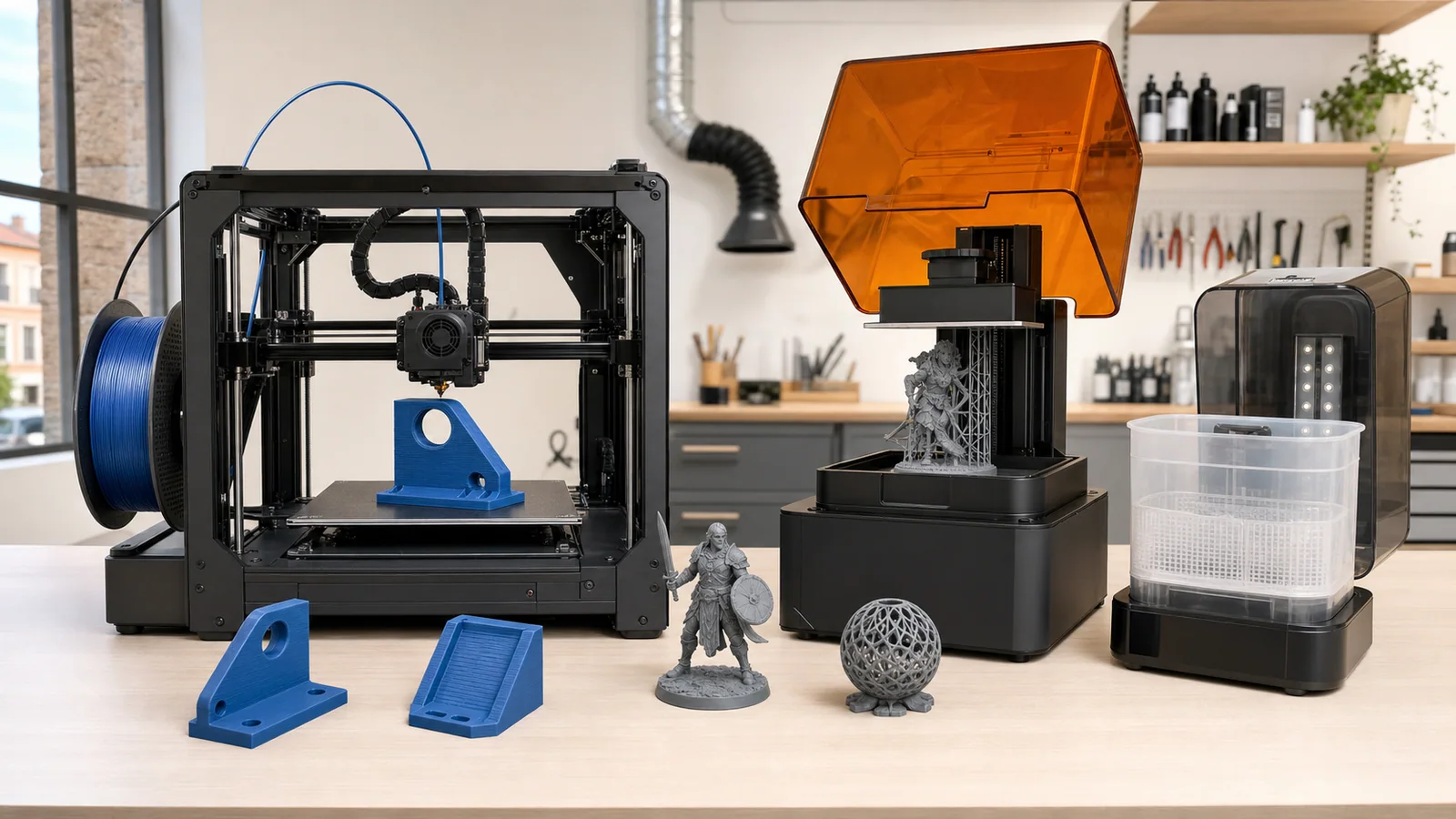
FDM and resin printing create three-dimensional objects through different processes. The choice is not simply “strong” versus “precise”: purpose, material and finish should be assessed together.
Different processes and constraints
FDM deposits melted filament in layers. Resin printing uses a photopolymer cured by light, with suitable preparation and post-print operations. Prusa’s technology overview explains the principles.
Compare useful outcomes
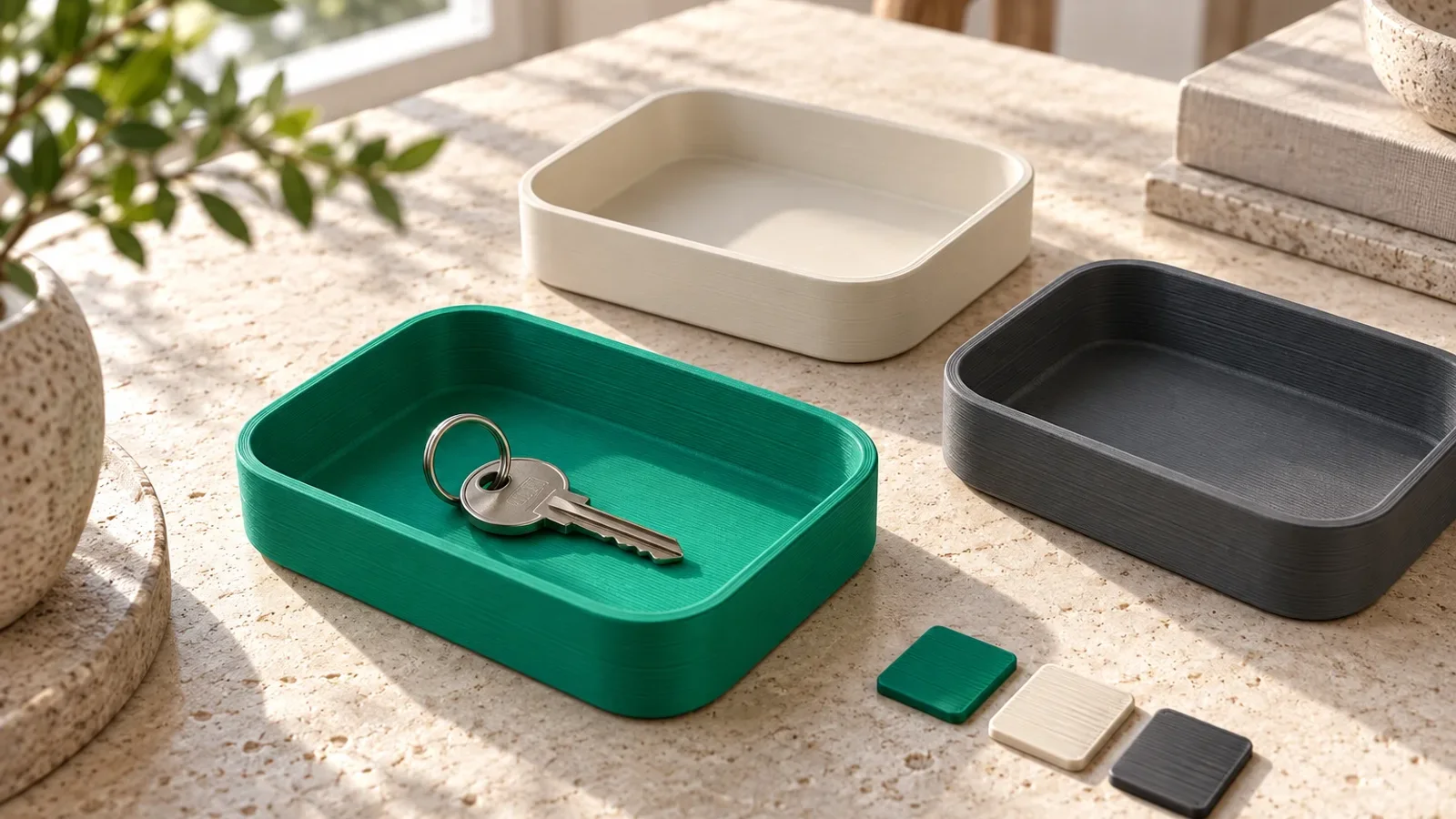
For a storage accessory, dimensions, texture and cleaning may matter more than fine detail. For a small detailed shape, appearance may favour another process. Neither example removes the need to check material limitations.
Check actual availability
A guide can explain technologies without its publisher providing every process. Belentia’s requests concern FDM printing from models or files to assess; resin printing is not advertised as an available service.
Prepare the information covered in the material selection guide. The quote should specify process, material, finish and feasibility.
How Belentia can help
Belentia is preparing a selection of models to print. Requests using an existing file or a simple adaptation may also be assessed for feasibility. Complex prototypes and automatic turnaround times are not promised.